Local guides to Seoul’s most vibrant neighborhoods, including Hongdae, Sangsu, Hapjeong, and Mapo. Discover cafés, restaurants, shopping streets, live music venues, and cultural spots that reflect the true spirit of the city. Written by a local host to help travelers explore beyond the usual tourist routes.
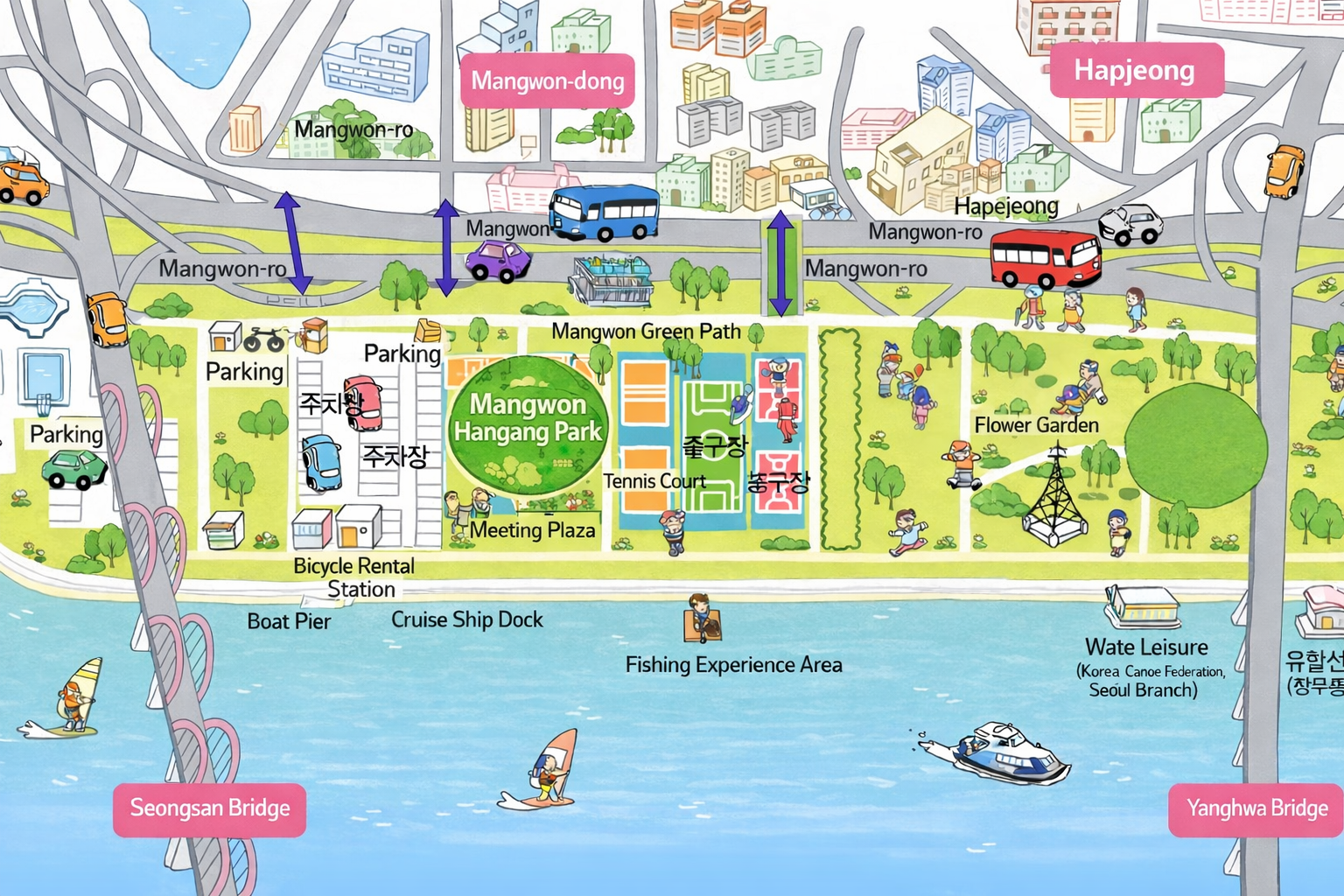
Bus stops & bus numbers for getting off near Mangwon Hangang Park: • Mangwon Yusuji / Mangwon Hangang Park: Bus Mapo 09, Mapo 16 • Taeyang Restaurant stop: Bus Mapo 09 • Shin Taeyang Mokyongtang / Mangwon Church: Bus Mapo 09, Mapo 16
Subway • Line 6 — Mangwon Station (Exit 1) → Take Mapo 09 or Mapo 16 bus from Exit 1 • Hapjeong Station (Exit 1) → Also board Mapo 09 or Mapo 16
🚗 By Car
From Ilsan direction: • After crossing Yanghwa Bridge (Yanghwa-daegyo), go right 300 m past the bridge and enter via the side road (often called “Rabbit Tunnel”) — then continue 500 m to the entrance.
From Guri direction: • After Seongsan Bridge (Seongsan-daegyo), take the right entrance 700 m past the bridge.
⚠️ Traffic note: On Saturdays, Sundays, and public holidays, large events in the park can cause heavy traffic. Use public transportation when possible. Parking outside designated areas can lead to a ₩50,000 fine under Hangang Park preservation rules.
🚴♂️ Local Access & Key Entry Points
Coming from Mapo-gu Office Station (Exit 7) — use Hongjecheon Walkway to reach the park.
From the Mangwon Post Office intersection — use the Mangwon entry path.
From Mangwon Station area — you can access via Mangwon, Seongsan, Hapjeong entry points and the Mangwon Green Path (bicycle route).
From Hapjeong Station (Exit 8) — follow the Mangwon Green Path (bike path).
📍 Park Info & Visitor Center
Mangwon Hangang Park Information Center (Mangwon Guide Center):
Address: Mapo-na-ru-gil 467, Mapo-gu, Seoul (Mangwon-dong 205-4)
Guide Center Hours: • Administration: 09:00 to 18:00 • Park open 24 hrs
This guide focuses on Korean BBQ and pork restaurants locals actually revisit, curated strictly from the Local community list. From premium pork cuts to aged BBQ, these are ideal for dinner or group meals.
🔥 Best Korean BBQ & Pork Spots
연남제비 (Yeonnam Jebi)
Address: 서울 마포구 성미산로 186
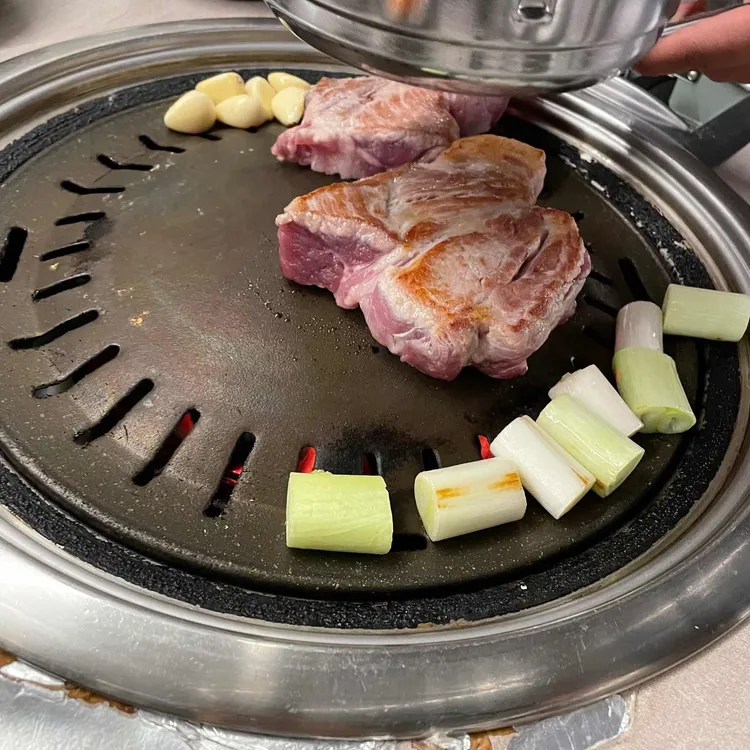
Why locals love it: High-quality pork in a polished but relaxed setting. Great balance between casual and refined.
맛김치생삼겹살
Address: 서울 마포구 동교로27길 29
Why locals love it: Perfect harmony of pork and kimchi, especially paired with cold noodles after grilling.
냉장고 합정점 (Aged Pork BBQ)
Address: 서울 마포구 양화로6길 99-10
Why locals love it: Dry-aged pork grilled professionally for you. Ideal for meat lovers who want depth of flavor.
If you’re looking for the best ramen and donkatsu near Hongdae, Yeonnam, and Hapjeong, this local guide is built just for you. Every restaurant listed here comes community recommendations, meaning these are places locals truly trust.
Expect rich broths, crispy cutlets, and no tourist traps.
🍜 Best Local Ramen Restaurants
담택 (Damtaek) – Hapjeong Ramen
Address: 서울 마포구 동교로12안길 51
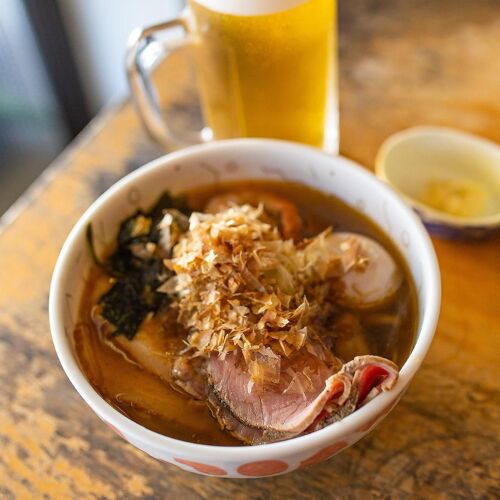
Why locals love it: Michelin-recognized ramen with a clean, refined shio broth. Calm atmosphere and flawless balance.
하쿠텐라멘 (Hakuten Ramen) – Yeonnam
Address: 서울 마포구 동교로 266-12 (반지하)
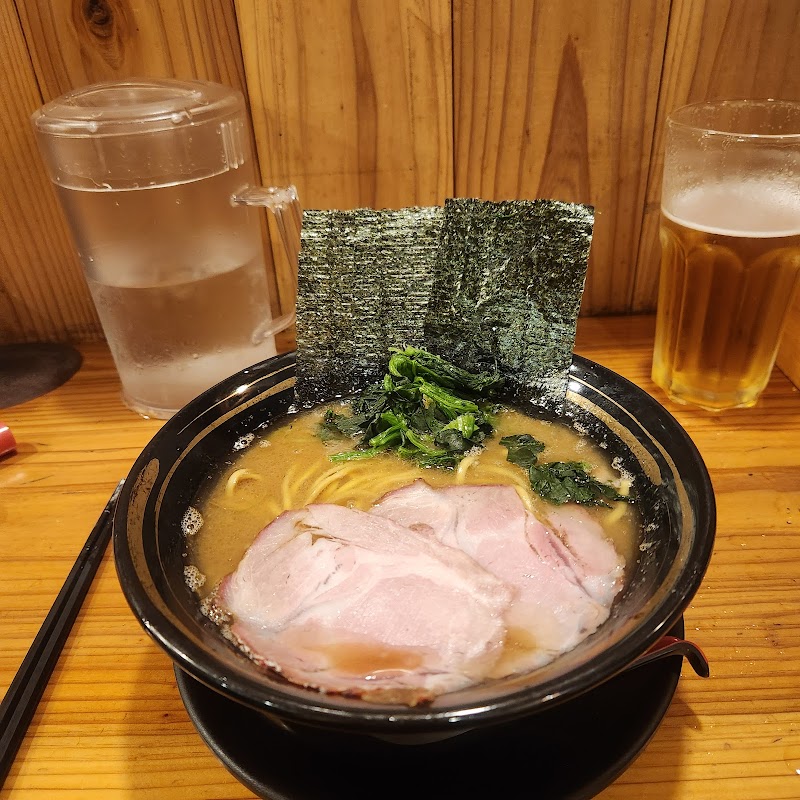
Why locals love it: Deep, pork-forward Iekei-style ramen with bold flavor—very popular among ramen enthusiasts.
하나라멘 (Hana Ramen) – Yeonnam
Address: 서울 마포구 동교로38길 27-4
Why locals love it: Creamy chicken paitan broth that’s rich but not overwhelming. A comfort favorite.
🍱 Best Donkatsu & Rice Bowl Spots
동차밥 (Dongchabob) – Yeonnam
Address: 서울 마포구 연희로1길 57
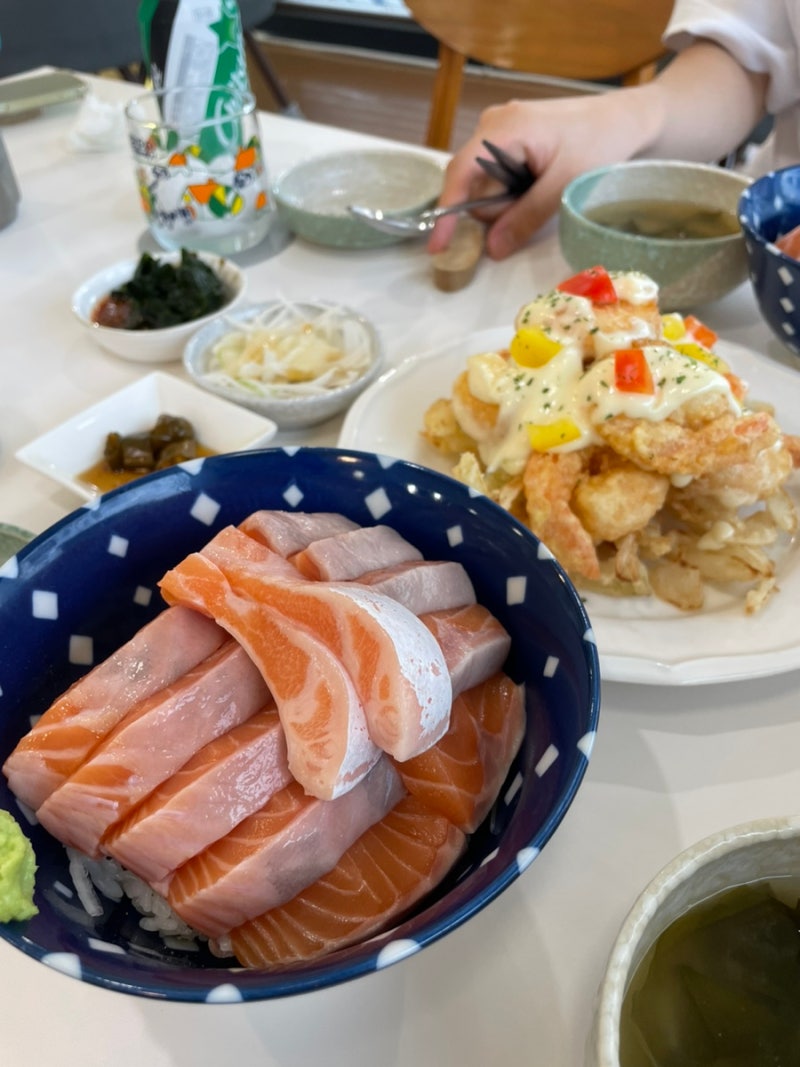
Why locals love it: Reliable salmon bowls and donkatsu—perfect for lunch with consistent quality.
크레이지카츠 (Crazy Katsu) – Hapjeong
Address: 서울 마포구 포은로2나길 44, 2층
Why locals love it: Thick, juicy cutlets with a crisp crust. Often described as “worth the wait.”
카와카츠 합정점(Kawakatsu Hapjeong)
Address: 서울 마포구 양화로 78-7
Why locals love it: Quiet, focused donkatsu restaurant emphasizing technique and clean flavors.
최강금돈까스 – Hapjeong
Address: 서울 마포구 월드컵로3길 31-30, 지하 1층
Why locals love it: Classic Korean-style donkatsu with a crunchy exterior and juicy inside.
Soup Curry & Comfort Food
스아게 (Suage / 스아게K) – Hongdae
Address:서울 마포구 와우산로29마길 27
Why locals love it: Sapporo-style soup curry packed with spice and aroma. Customizable toppings make it addictive.
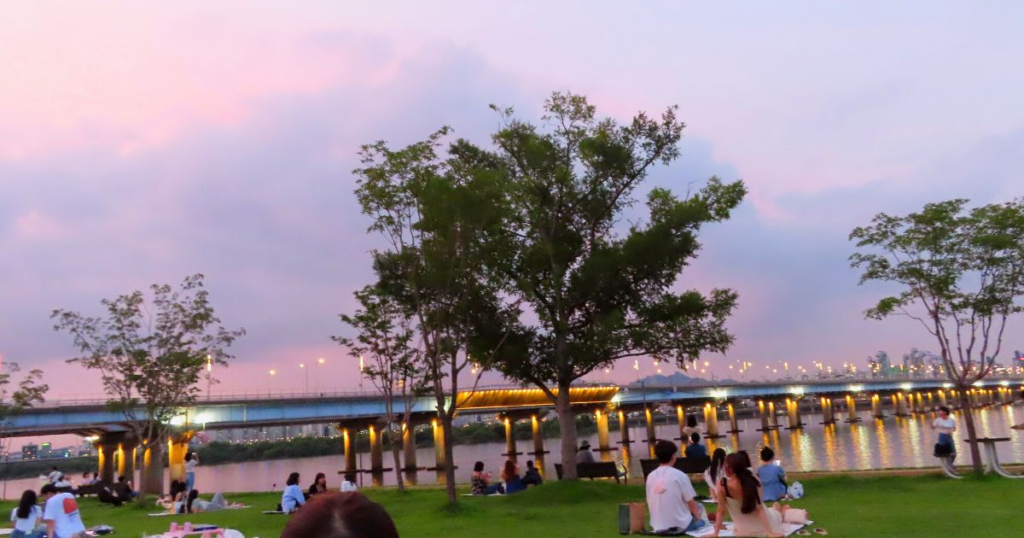
Mangwon Hangang Park is one of the calmest and most local-feeling spots along the Hangang River. Located on the western side of Seoul, near Mangwon-dong, this riverside park offers visitors a slower, more reflective way to experience the city—far from crowded landmarks and busy shopping streets.
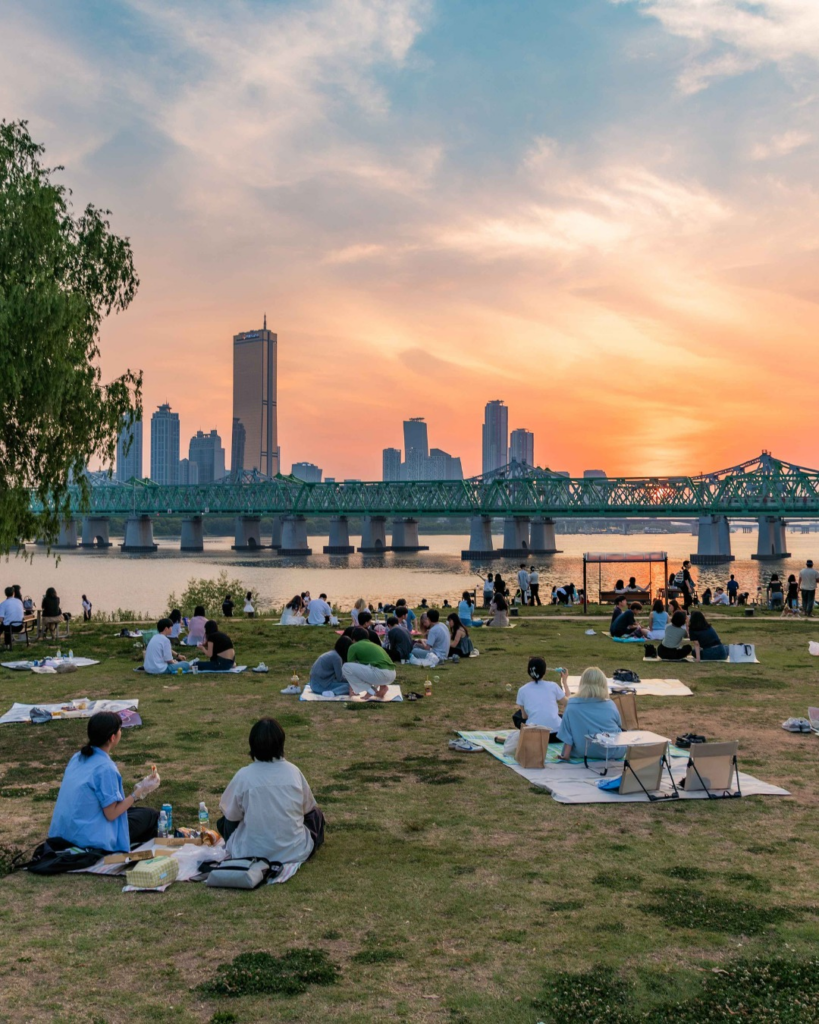
Unlike places designed to impress, Mangwon Hangang Park is designed to let you pause. Locals come here after work, couples walk quietly at dusk, and solo travelers sit by the water watching the light change. There’s no checklist, no must-see attraction. The value of this place is its stillness.
A Slow Walk Along the Hangang
The Hangang River runs straight through Seoul, but here it feels wide and unhurried. At Mangwon Hangang Park, the city seems to loosen its grip.
People walk without headphones. Some sit on the grass, doing nothing in particular. Time feels softer here.
This is not a park you rush through—it’s one you drift along.
Walking Beside the Water
The riverside paths are wide, flat, and easy to follow, even if you’re new to Seoul. You don’t need a map or a plan. Just follow the river.
Water stretches endlessly on one side
Low city buildings frame the other
Cyclists pass quietly, never rushed
It’s an easy place to walk alone, or side by side, without needing conversation.
A Place for Quiet Moments
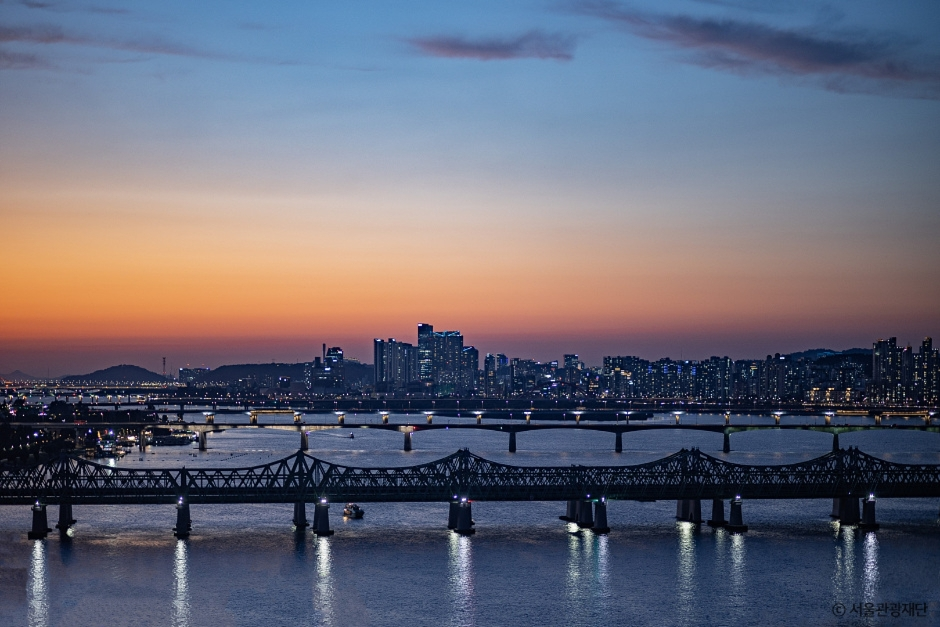
Many visitors arrive near sunset—not for events, but for atmosphere.
As daylight fades:
The river reflects soft orange and blue tones
Streetlights turn on one by one
The city feels distant, even though it’s right there
Couples sit silently. Travelers pause with cameras but don’t overuse them. Mangwon Hangang Park is less about capturing moments and more about staying in them.
Travelers often note:
Calm evening atmosphere
Beautiful sunset views
A peaceful break from sightseeing
Why People Keep Coming Back
Mangwon Hangang Park isn’t about attractions—it’s about space.
There’s no pressure to perform, buy, or move on. You’re allowed to linger.
Why it works so well for visitors:
Easy access from central Seoul
Free and open all day
Feels local, not tourist-focused
Perfect for resting between busy travel days
If you want to understand how Seoul relaxes, this is where to look.
Frequently Asked Questions (FAQ)
(Based on official Hangang Park guidelines and visitor information)
Is Mangwon Hangang Park free to enter?
Yes. The park is completely free and open to the public.
What is the best time to visit?
Late afternoon to sunset is the most popular time, especially for walking and relaxing. Early mornings are very quiet and peaceful.
Can I have a picnic here?
Yes. Picnics are allowed, and many locals bring mats and simple food. However, always clean up after yourself and follow posted park rules.
Are bicycles allowed?
Yes. There are designated cycling paths. Pedestrians and cyclists usually share the space respectfully.
Is it okay to visit alone?
Absolutely. Mangwon Hangang Park is popular with solo visitors and is considered safe and comfortable during the day and evening.
Are there convenience stores or restrooms nearby?
Yes. Public restrooms are available within the park, and convenience stores are located near entrances and nearby neighborhoods.
Final Note
Mangwon Hangang Park shows a quieter side of Seoul—one built around walking, resting, and simply looking out over the river.
If you want to see how the city breathes, not how it performs— this is where to start.
A compact Mangwon favorite for clean, comforting Japanese home-style plates. Seasonal menu, crisp chicken nanban, and thoughtful sides.
Why you should go (3 reasons)
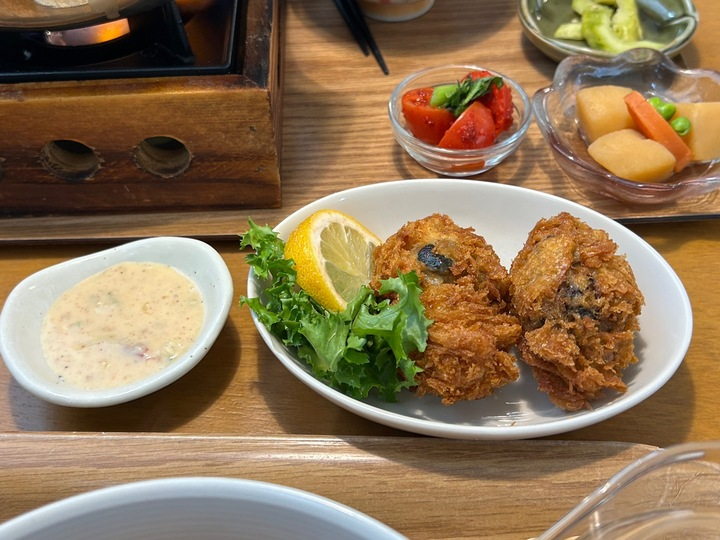
The chicken nanban is crisp, saucy, and generously portioned with sides and miso soup.
Menus rotate by season; think yuzu-teriyaki chicken pot rice or an autumn mackerel bowl.
Small, cozy second-floor space with counter seats; rice, soup, and sides are refillable.
What it’s like
I found it tucked into a Mangwon Market alley, up on the second floor. The sign is small, so look closely. I came about 10–15 minutes before noon and walked straight in; it was full within minutes.
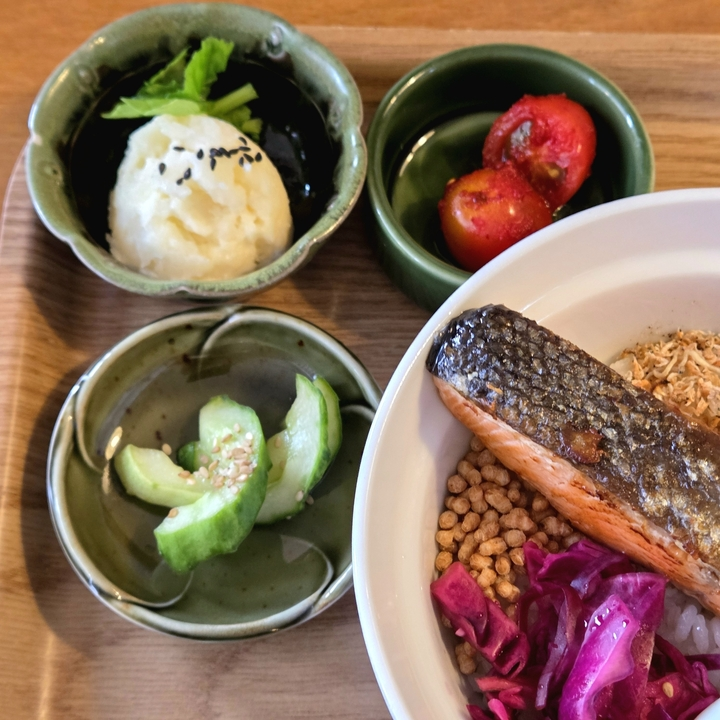
Inside feels intimate: a couple of tables and a bar for solo diners. You order and pay at the counter. Trays land with miso soup and tidy little sides that don’t feel generic.
My chicken nanban arrived hot, the batter thin and crisp. The sauce leaned creamy and slightly sweet, great over warm rice. A friend’s salmon ochazuke looked serene; pour the hot tea in gradually so it doesn’t overflow.
What to try / how to enjoy it
Chicken nanban set for the signature crunch-plus-sauce comfort.
Salmon ochazuke; pour the tea little by little to your taste.
Yuzu-teriyaki chicken pot rice, when it’s on the seasonal board.
Autumn mackerel rice bowl if you catch the fall menu.
Fish-fragrant eggplant (eohyang gaji, ‘어향가지’) as a side for a sweet-spicy bite.
Seasonal ades or a light highball if you want a drink.