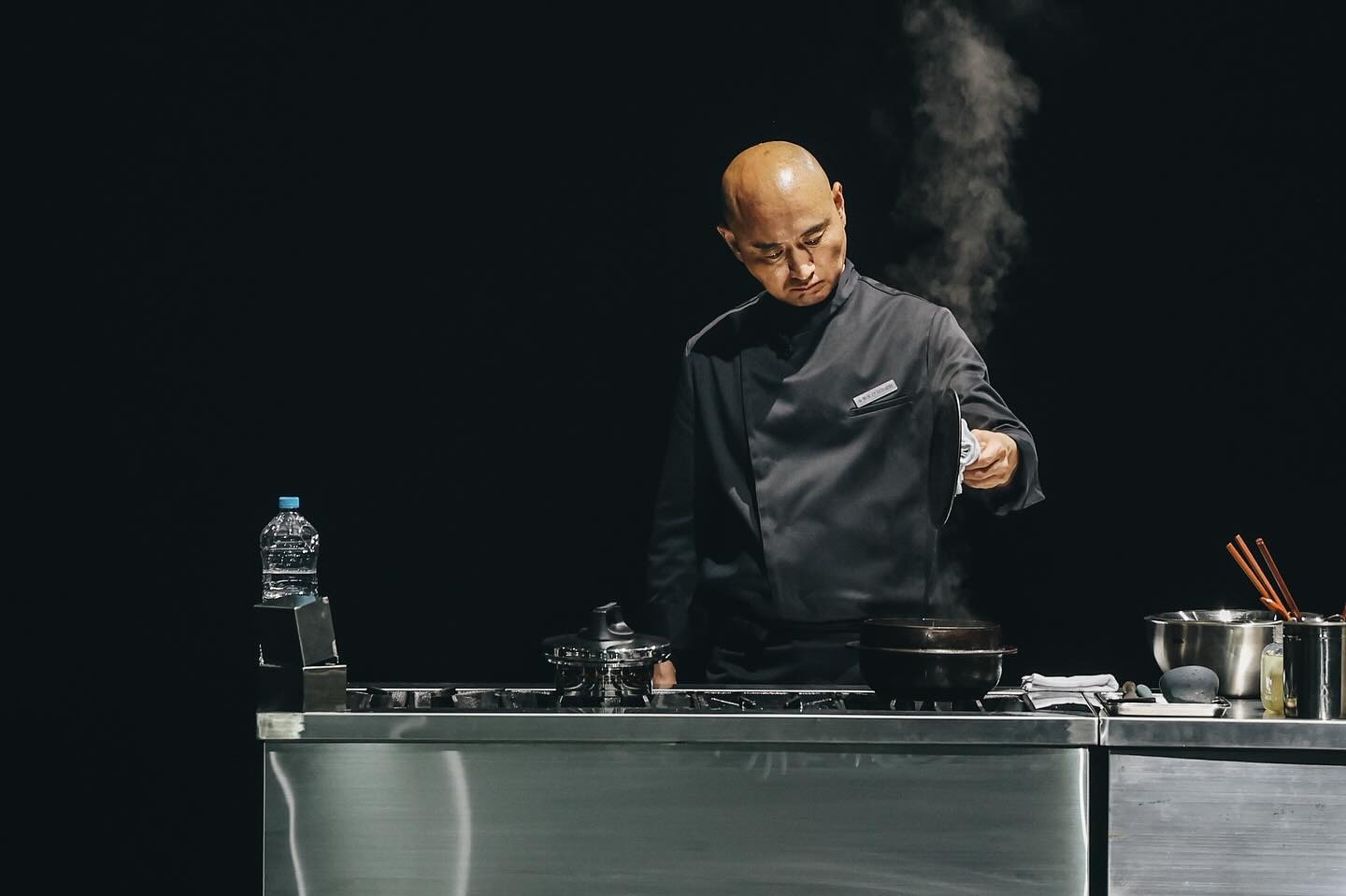
Ok Dong-sik is a Korean chef who built his reputation by doing something rare in today’s food world—perfecting one simple dish.
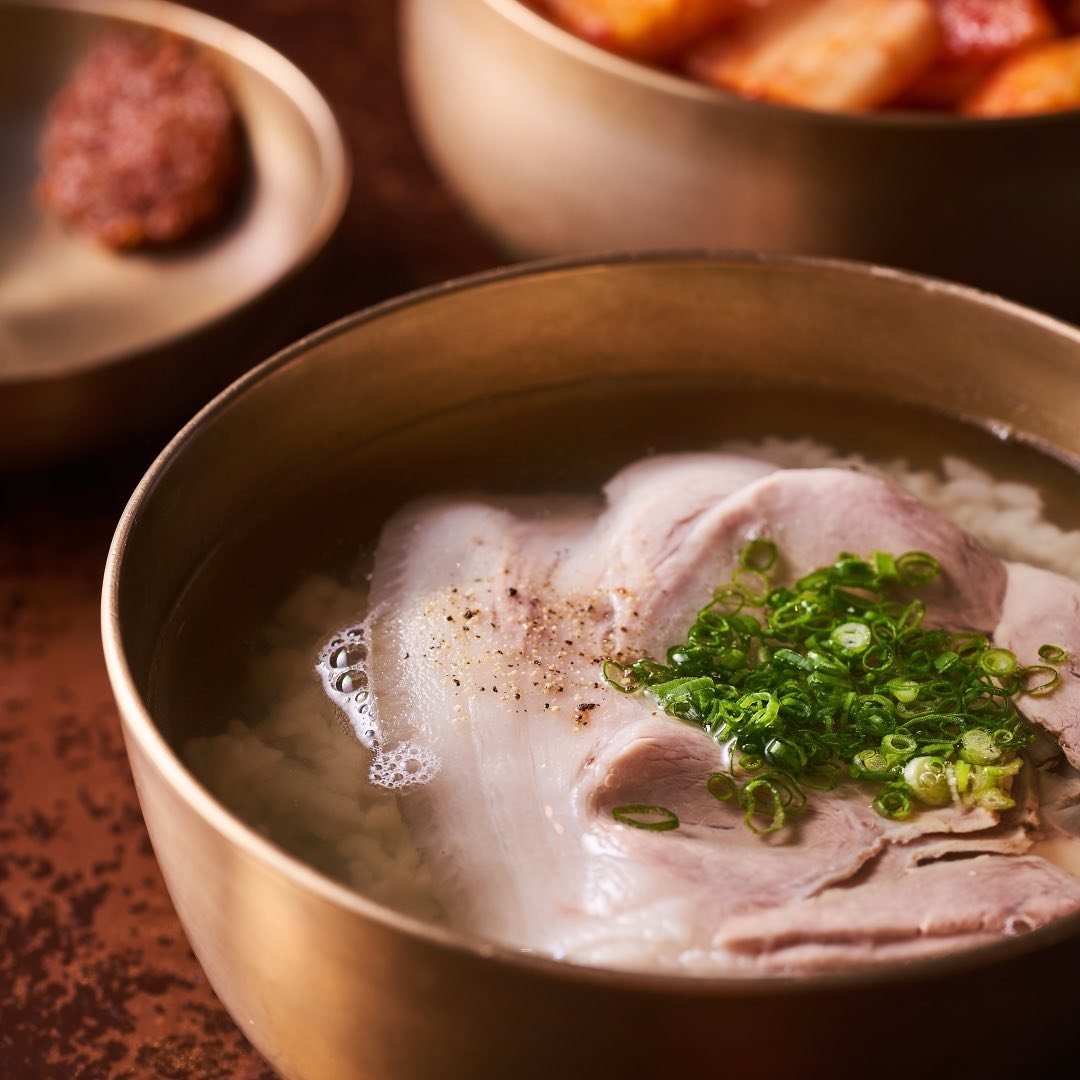
He is best known for his refined version of dwaeji-gukbap (pork soup with rice, ‘돼지국밥’ in korean), served with a clear, clean broth that highlights the natural flavor of pork rather than masking it with heavy seasoning.
His cooking philosophy centers on restraint, balance, and respect for ingredients.
Netflix Attention: Why Viewers Took Notice
Ok Dong-sik gained wider public attention through his appearance on Culinary Class Wars Season 2(‘흑백요리사’ in korean), a Netflix series that pits chefs of different backgrounds and styles against each other.
What made his appearance especially interesting was how different he felt from typical competition chefs. While others focused on bold techniques and dramatic presentations, Ok remained calm and minimal.
Viewers were intrigued by his confidence in simplicity—proving that quiet, thoughtful cooking can be just as compelling on screen as high-energy showmanship.
Restaurant Locations, Rooted in Seogyo-dong
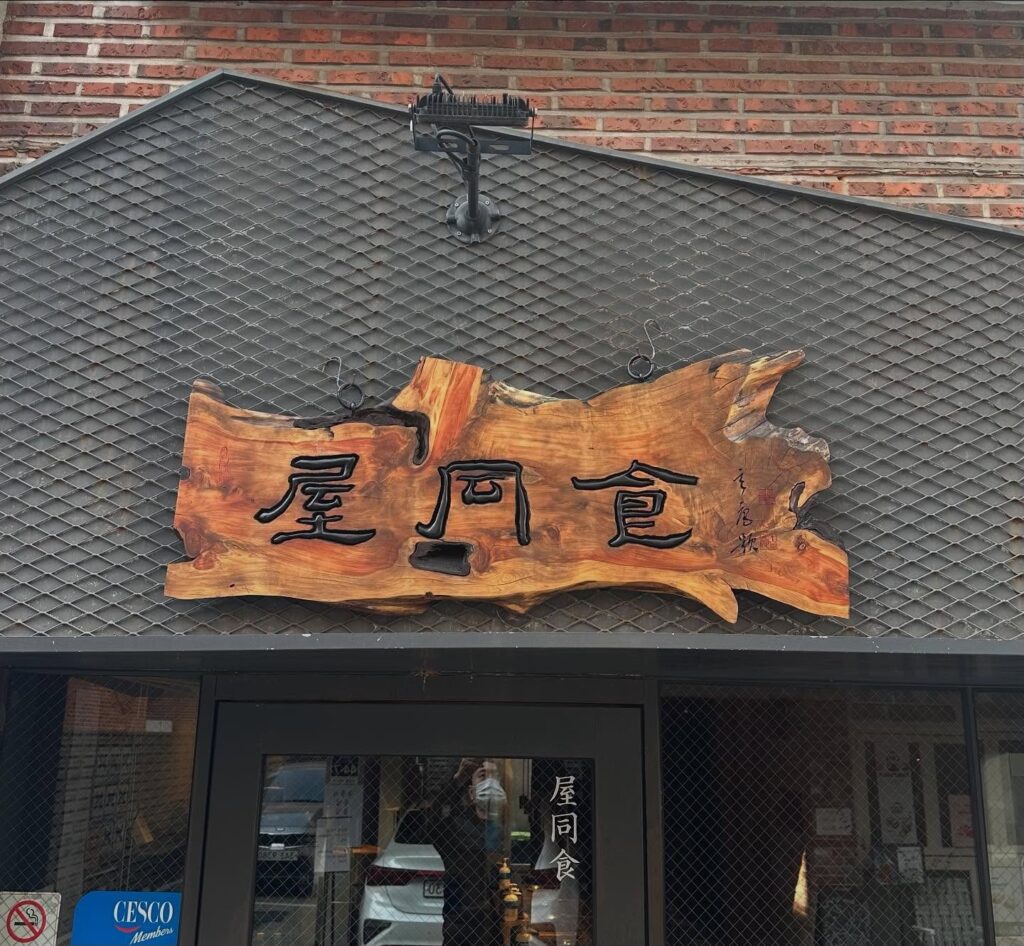
His main restaurant is located in Seogyo-dong, Seoul, an area near Hongdae known for its youthful energy and creative culture. Despite the neighborhood’s vibrancy, the restaurant itself is understated and focused, mirroring the chef’s culinary identity. Food lovers often seek out this location specifically, viewing it as the heart of his philosophy.
Beyond Korea, He has also expanded internationally with a location in New York City, introducing global diners to his clean and elegant take on Korean comfort food.
A tiny, Michelin-recognized counter serving crystal-clear pork gomtang that sells out fast. Go early and join the waitlist remotely.
https://www.instagram.com/okdongsik
Why you should go (3 reasons)
Clean, clear broth made from Berkshire K pork leg cuts, with thin slices finishing in hot stock.
Michelin Guide Bib Gourmand and sustained acclaim for its single-dish focus.
About 10 seats and roughly 100 bowls a day make it an intimate, limited experience.
What it’s like
I checked in on CatchTable, then slipped into a compact, bar-style room. Ten or so seats face an open kitchen where two chefs cook, serve, and reset in a steady rhythm.
The bowl arrives with rice already warmed by broth and paper-thin pork on top. It’s hot but not boiling, deeply savory, and strikingly clean.
There’s pepper pickle for the meat and a communal crock of excellent kimchi. Barley tea replaces water, which suits the soup’s gentle warmth.
A regular bowl was plenty for me; the special just adds more meat.
https://www.instagram.com/okdongsik
What to try / how to enjoy it
Pick your portion: regular or “special” (same soup, more meat).
Scoop kimchi from the crock and pair the pork with the house pepper pickle.
Let the thin slices finish cooking in the hot broth, then alternate broth, rice, and meat.
Kimchi dumplings are available; opinions on them vary.
Can’t sit? Check for gomtang takeout before it sells out.
Use CatchTable remote wait before you head over and linger in nearby cafes until called.
If you drink, a small “jansul” is poured to the brim in a brass cup.
Practical notes
Area: Seogyo-dong, Mapo-gu (Yanghwa-ro 7-gil), a short walk from Hapjeong Station Exit 2.
Space: about 10 seats, bar counter, open kitchen.
Reservations: not taken; roughly 100 bowls daily; expect queues.
Waitlist: CatchTable remote wait available; register shortly before opening or earlier, keep notifications on, and don’t miss your call.
Opening hours: reported 11:00 opening; one source notes a 15:00–17:00 break and closing at 22:00, another lists shorter weekend hours—confirm on the day.
Parking: none; some park at Mecenatpolis Mall nearby and walk.
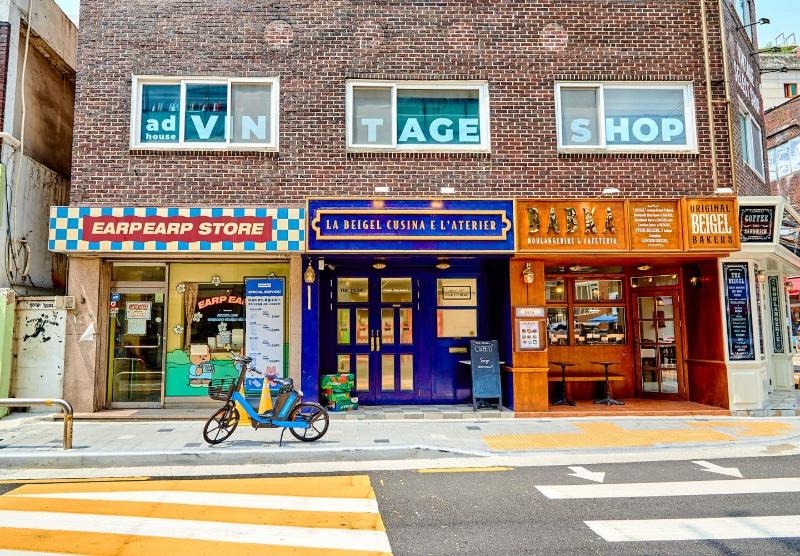
A friendly, low-rise slice of Seoul where Mangwon Market’s local warmth meets indie cafés, compact eateries, and an easy after-work glow.
Why you should go (3 reasons)
Compact, characterful strip: small specialty restaurants, cafés, and shops clustered along Poeun-ro (Mangwon-dong, Mapo-gu).
Local market energy: Mangwon Market adds traditional bites and neighborhood warmth to the stroll.
Sunset option: Mangwon Hangang Park nearby offers lovely evening views over the river and bridges.
What it’s like
I arrived via Mangwon Station (Line 6) and walked toward Mangwon Market as the sky blushed into evening. Commuters flowed past, and the storefronts along Poeun-ro felt inviting—compact dining rooms, a few retro-tinged restaurants, and plenty of cafés you could happily linger in.
For dinner, I ducked into Seogyojudam (서울 마포구 포은로 82 1층). It looks like a remodeled house from the outside; inside, ordering is via a small table kiosk. We shared a creamy, spicy rosé tteokbokki to start, then a hearty dakdoritang (spicy braised chicken) with an udon add‑on simmering at the table—comforting, rich, and perfect for unhurried conversation in the softly lit room.
For a relaxed second round, we wandered to Geoneomul Lounge (건어물라운지, 서울 마포구 포은로 105). It was busy but breezy: clean, casual interiors, cold draft beer, and an ample dried‑fish set (nogari, plus a mix of other dried snacks) that made for an easy, affordable spread. Between the two stops and a peek into the market entrance, Mangridangil felt both current and neighborly.
What to try / how to enjoy it
Stroll Poeun-ro from Mangwon Station toward Mangwon Market. Nibble through the market’s traditional bites and soak up the friendly, local vibe.
Pick one small specialty spot for a main meal; many places focus on a few signature dishes. I enjoyed the dakdoritang and rosé tteokbokki at Seogyojudam (주소: 서울 마포구 포은로 82 1층).
For drinks and a low-key late stop, a dried‑fish pub such as Geoneomul Lounge (주소: 서울 마포구 포은로 105) pairs beer with salty-satisfying snacks.
Browse a design-forward shop: Warmgrey Tail (웜그레이테일, 서울 마포구 포은로 94 그레이스빌딩 2층, 망원역 2번 출구) carries colorful lifestyle goods and stationery.
If you have time, head to nearby Mangwon Hangang Park for sunset—the bridges and river make an easy, scenic finish.
Practical notes
Area: Mangridangil is centered on Poeun-ro in Mangwon-dong, Mapo-gu, with Mangwon Market nearby.
Getting there: Subway Line 6 to Mangwon Station; walk toward Mangwon Market and Poeun-ro.
Opening hours: Many eateries are small with limited hours, and queues often form around opening time on weekends. Arrive early if you have a must‑try spot.
Example hours (subject to change): Seogyojudam Mon–Thu 17:00–24:00; Fri 17:00–02:00; Sat 15:00–02:00; Sun 15:00–24:00. Geoneomul Lounge daily 17:00–03:00.
Budget tip: At Geoneomul Lounge, a generous dried‑fish set was around 15,000 KRW when I visited.
Timing: For views, plan your walk to reach Mangwon Hangang Park around sunset.
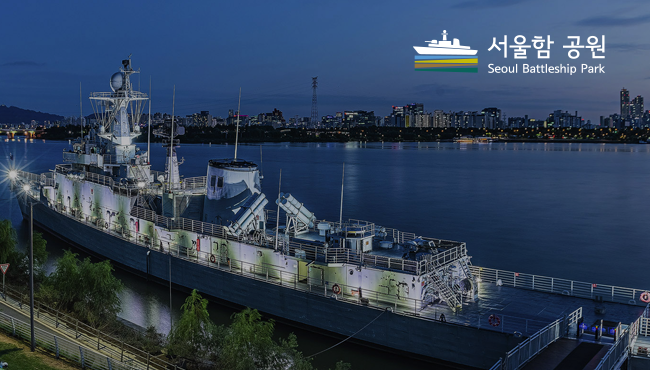
A rare, hands-on look at real Korean Navy vessels—right on the Han River—where you can walk the decks, duck through compartments, and glimpse naval life up close.
Why you should go (3 reasons)
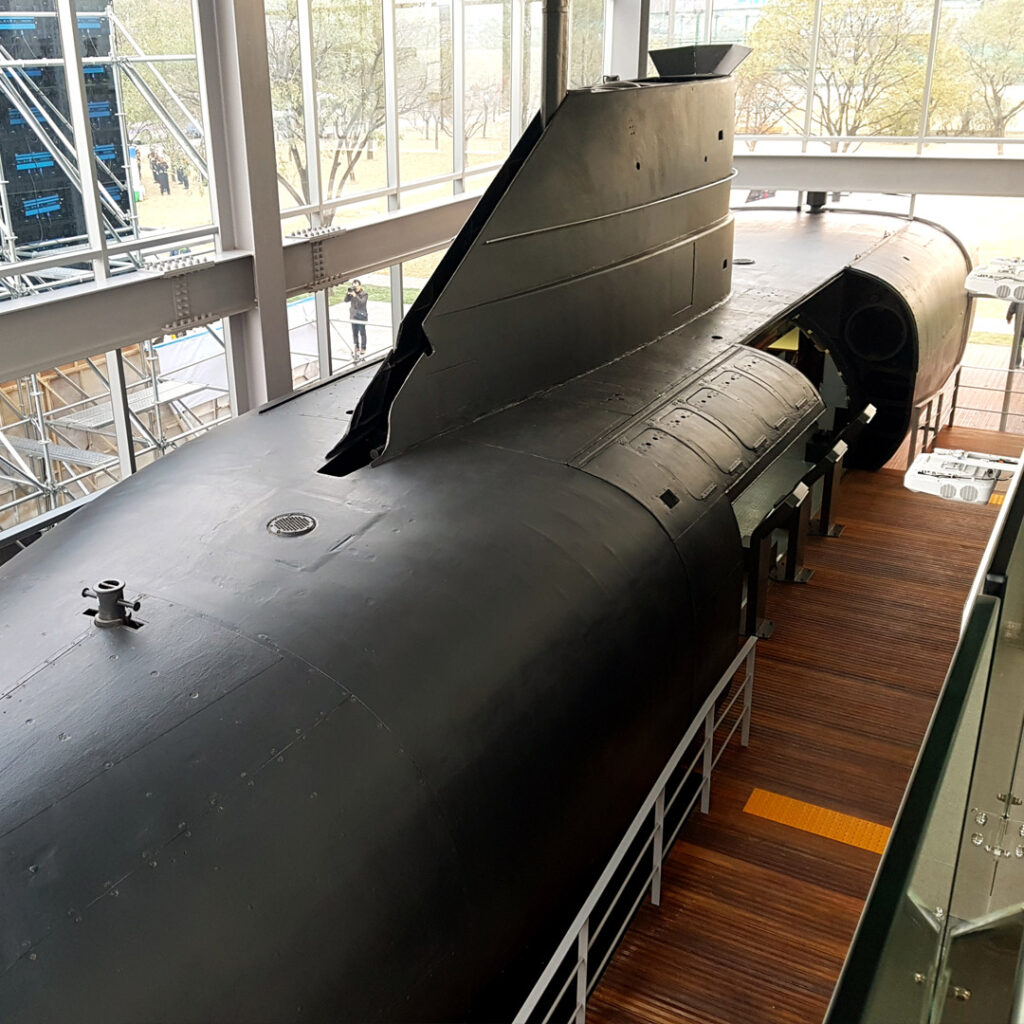
You can actually go inside three retired vessels: the frigate “Seoul,” a Chamsuri-class patrol boat, and a cutaway Dolphin-class submarine.
Family-friendly touches—QR audio guides, kid reading/coloring corners, and photo spots—make it easy for all ages.
Context comes alive through exhibits and daily interpretive talks, with occasional tours led by retired naval officers in uniform.
What it’s like
Set within Mangwon Hangang Park, the park’s name says “Battleship,” but the star is a frigate: ROKS Seoul (FF-952), an Ulsan-class ship that served for about three decades. Sources differ on the exact commissioning year (1984 or 1985), but either way this was a workhorse of Korea’s modern navy—one that even crossed the Pacific for RIMPAC in 1990 and earned a “Top Gun” nod for gunnery along the way.
https://seoulbattleshippark.com/
I started at the glassy, riverside info center to pick up my wristband, then stepped straight into the museum’s submarine. This Dolphin-class sub has a side cutaway; deep-sea visuals play along the wall, and numbered QR codes cue up short audio clips so you can match what you’re seeing to the story. It’s tight, mechanical, and oddly intimate—cups on a shelf, bunks within arm’s reach—exactly the kind of space that makes you whisper.
Upstairs a walkway leads to the Chamsuri-class patrol boat. You can peek into the wheelhouse and comms room and wander the deck, taking in the lean, fast lines of a craft built for coastal skirmishes. Down below, a small Navy PR gallery screens videos and outlines engagements like the First and Second Yeonpyeong Battles.
Then comes the main event: the frigate. Inside Seoul you thread past mess halls, bunks, even a barbershop. In the Combat Information Center, you can handle consoles and see radar/sonar visuals; for safety, the weapons and ammunition you’ll spot around the ship are models. Ladders and passageways are steep and low—mind your head and wear sturdy shoes. Some areas remain locked, but there’s plenty to explore before you finish on the bow and stern decks, where the Han River widens out beneath you and the ship suddenly feels very alive.
What to try / how to enjoy it
Start in the info center: see the small exhibits on the park, then ride up to the rooftop for a wide Han River view of the frigate.
Scan the submarine’s QR audio numbers as you go—short clips make the cutaway scenes make sense.
Time your visit for the daily interpretive talks at 13:00 or 16:00 (they begin on the info center’s 1F). When available, retired naval officers in dress uniform lead especially insightful sessions.
On the frigate, don’t miss the Combat Information Center (CIC) and the bow/stern photo spots over the river.
With kids: drop into the reading/coloring corners inside the info center, and look for simple puzzles set out in the dining rooms aboard Seoul.
Practical safety: watch your head on low thresholds and steep stairs; some compartments are intentionally closed.
Practical notes
Address/area: 407 Mapo-naru-gil, Mapo-gu, Seoul (inside Mangwon Hangang Park).
How to get there: About 21 minutes on foot from Mangwon Station (Line 6) or 28 minutes from Hapjeong (Lines 2 & 6). Buses Mapo09 and Mapo16 stop nearby (you can board from the stations). Since 2025-09-18, the Hangang bus also serves Mangwon Pier.
Opening hours: Winter (Nov–Feb) 10:00–18:00; Summer (Mar–Oct) 10:00–19:00 (weekends to 20:00). Last entry 30 minutes before closing. Closed Mondays, Jan 1, and on Seollal/Chuseok day.
Admission:
Children 1,000 KRW;
Youth/Soldier 2,000 KRW;
Adults 3,000 KRW.
Eligible visitors (e.g., national merit recipients, people with disabilities, seniors 65+) receive 50% off.
Tickets: Pay at the info center; entry is by wristband.
Tours: Exhibit explanations run daily at 13:00 and 16:00 from the info center 1F.
Parking: Lot next to the info center. 1,000 KRW for the first 30 minutes; 200 KRW per additional 10 minutes; daily max 10,000 KRW. Hours 06:00–24:00. Free during the three-day Lunar New Year and Chuseok holidays.
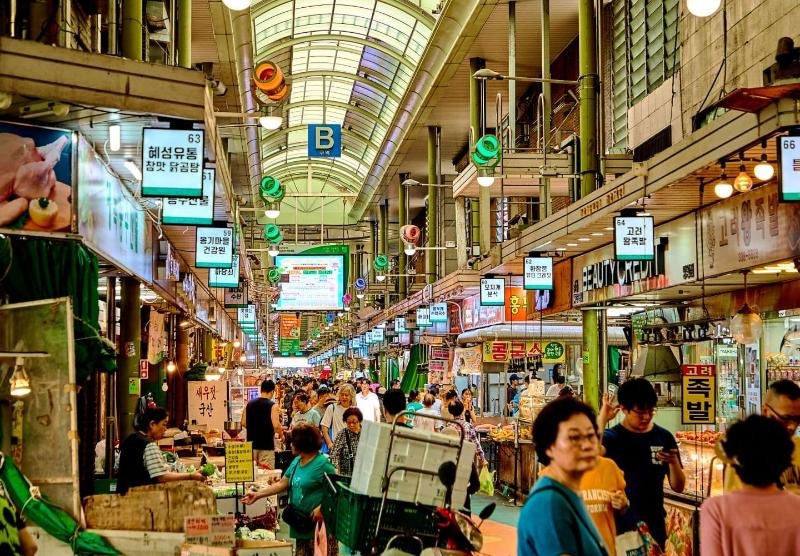
A bustling, walkable market built for snacking—come hungry, travel light, and let Mangwon’s stalls feed you from one bite to the next.
Why you should go (3 reasons)
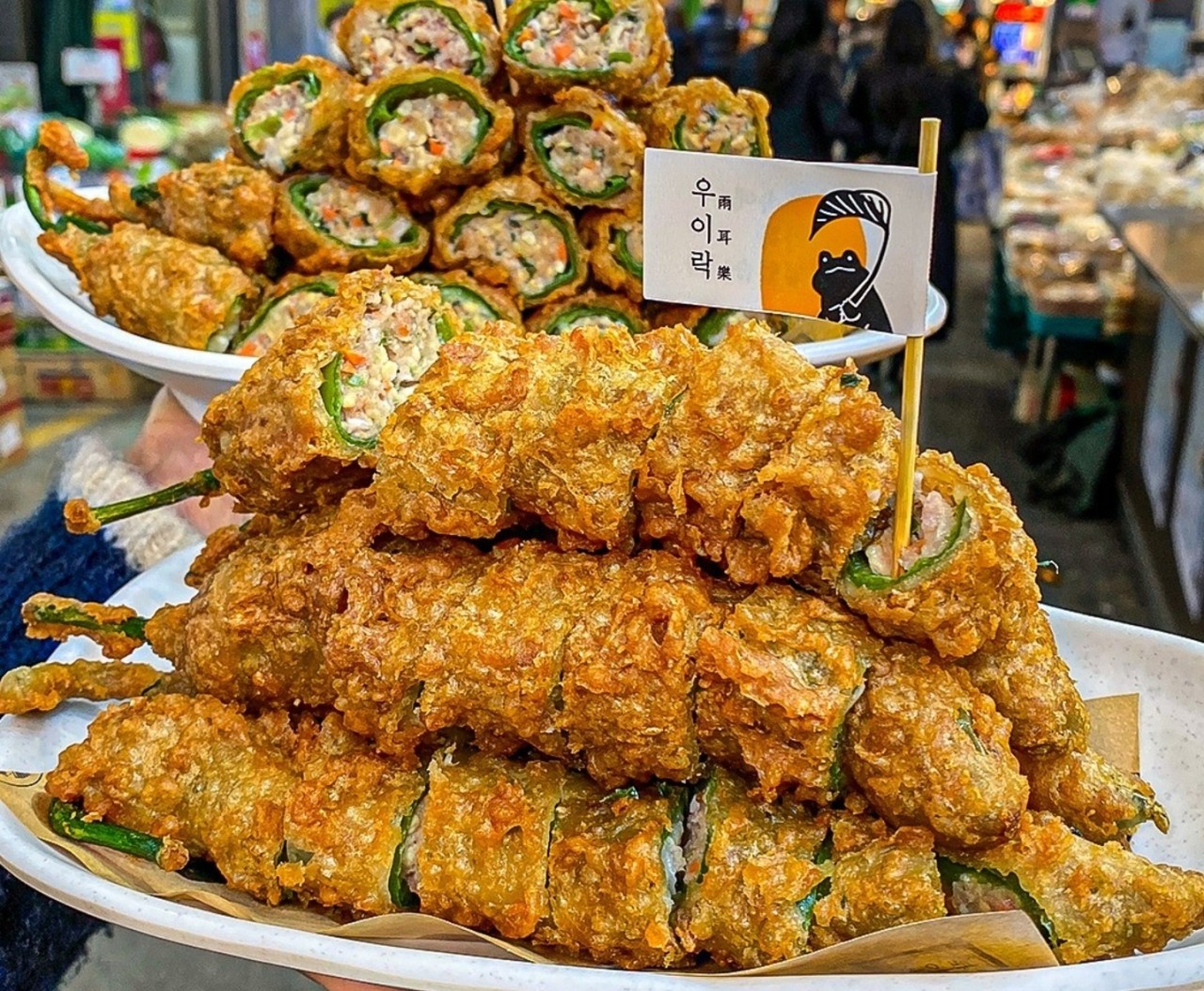
Street-food heaven: think gochu-twigim (chili fritters) at Uirak, dakgangjeong (sweet crispy chicken), tteokbokki, eomuk (fish cake) with hot broth, dumplings, mung-bean jeon, traditional sweets, even steamed king crab to go.
Car-free friendly: Line 6 (Mangwon Station) is a short walk, and several buses drop you right at the entrance; there are small paid lots, but public transport is easiest.
Make a day of it: pair the market with Mangridan-gil’s cafes and shops, or carry your haul to Hangang Park for a simple picnic.
What it’s like
I came in by bus and stepped straight into the main arcade, a long corridor of sizzling pans and bright signs. Mangwon feels more food-forward than its neighbor World Cup Market (which leans produce and seafood), and the central aisle is dense with snacks—lines forming for favorites, steam rising from tteokbokki pots, and that comforting fish-cake-broth aroma drifting through.
Uirak’s gochu-twigim sat right in the thick of it with a steady queue. A little farther along, chicken-gangjeong counters drew their own crowds, and I passed a handmade croquette stand by the entrance that’s popular enough to warrant a note: it closes on Sundays (Mangwon Handmade Croquette). Traditional sweets—crisp oranda, shell-shaped cookies, sweet potato sticks, and delicate jeonbyeong—tempted me to take a bag for later. I paused at a mandu stall called Goseonson Mandu for a plate; the dumplings were the highlight.
It was busy, a touch hot from all the cooking and the summer air, but that’s part of the market’s heartbeat—quick bites, small chats, and plenty of reasons to stop every few steps.
What to try / how to enjoy it
Hit a signature: share a basket of Uirak’s gochu-twigim. Expect a wait; seating is managed by kiosk with a phone alert when it’s your turn.
Warm up with classics: tteokbokki and a skewer of eomuk with broth. If you spot Goseonson Mandu, their dumplings pair well.
Grab-and-go feast: chicken gangjeong from spots like Q’s or Gyodong, or a steamed king crab to-go from the chain stall in the market.
Comfort bowl break: there’s a humble shop inside doing knife-cut noodles and sujebi at very friendly prices.
Sweet finish: pick up traditional snacks (oranda, shell cookies, sweet potato sticks, jeonbyeong) for dessert or souvenirs.
Extend your outing: if you want a proper sit-down nearby, Oshi (about a 5-minute walk from the market and Mangwon Station) does okonomiyaki and takes waitlists via CatchTable.
Picnic plan: bring a tote and head to Hangang Park with your finds once you’re done grazing.
Practical notes
Address/area: Mangwon-dong, Mapo-gu. Commonly pinned around Poeun-ro 6-gil 27 or Poeun-ro 8-gil 14 (both appear in listings).
Getting there: Subway Line 6 to Mangwon Station (about 5–10 minutes on foot). Buses stop at “Mangwon Market,” “Mangwon-dong World Cup Market Entrance,” and “Mangwon 1-dong Community Center,” which drop you right near the entry.
Opening hours: Listed as 10:00–21:00.
Parking: Small public surface lots near Mangwon 1-dong Community Center (Poeun-ro 6-gil 10) and a curbside lot around Mangwon-dong 414-115. 200 KRW per 5 minutes, card only. Spaces are limited—public transport is recommended.
Popular stalls: Uirak (gochu-twigim) uses a kiosk/phone alert for seating; Mangwon Handmade Croquette is closed on Sundays. Nearby, Oshi (okonomiyaki) may require joining a waitlist via CatchTable.